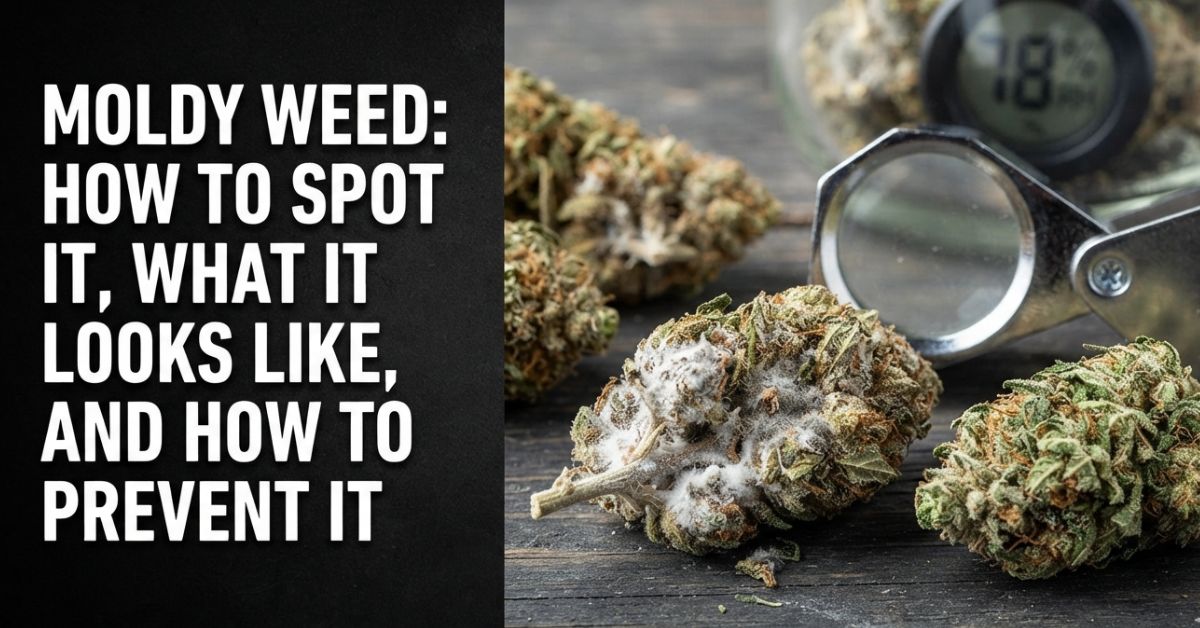
You twist off the lid from the jar, and everything doesn’t seem quite right. It could be that moldy odor of a damp basement. Perhaps there’s some fuzziness that you are sure wasn’t there last week. In any case, this little anxiety is causing you to wonder about something every smoker fears: is this moldy weed?
Don’t ignore this anxiety and take it seriously. Unlike other weed-related issues, mold is one issue that’s not only related to odor and strength. There’s much more to consider when we are talking about this matter. Today, we’ll take a closer look at this issue, starting with the search for it.
Why Moldy Weed Is More Than a Bad Smell
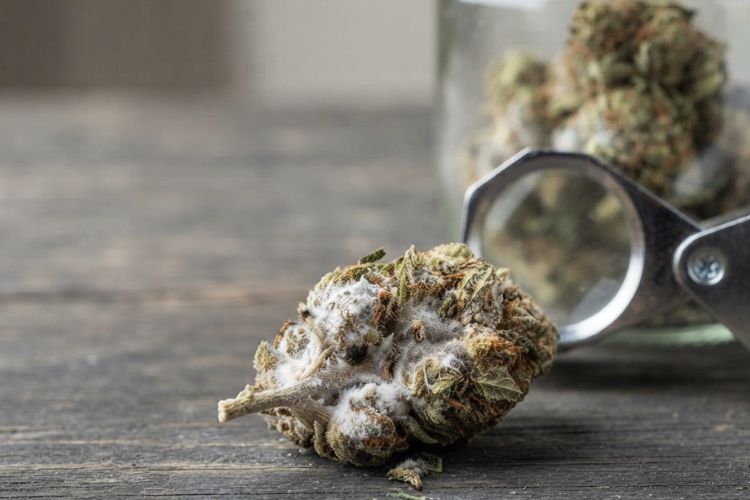
Mold is a living organism, and it spreads. The spores that grow on flowers can include strains like Aspergillus, which can irritate airways and cause real trouble, especially for anyone with a weaker immune system or existing breathing issues. You can’t see all of it, either. Mold can be growing inside a dense bud while the outside looks perfectly fine.
That’s why the stakes are higher than “this tastes weird.” When in doubt, the answer is almost always to throw it out.
Mold on Weed: How It Gets There
Mold only has three requirements: humidity, heat, and time. Cannabis buds that are harvested while still excessively wet, dried less than efficiently, or sealed in jars before they are fully cured retain moisture, which is all that mold needs to establish itself. Storage is also very important. Leaving cannabis buds in jars situated in a humid kitchen, in a hot car, or in a bathroom cabinet can spoil perfectly fine material within days.
Poor airflow during drying, overcrowded jars, and constant opening and closing in damp air all raise the risk further.
What Does Moldy Weed Look Like?
Mold comes in a few different forms, and it doesn’t always look dramatic at first. Watch for:
- White, gray, or powdery patches. Often the first visible sign, usually spreading across the surface of a bud.
- Fuzzy or cobweb-like strands. Thin, web-like threads that cling between buds or along the stem.
- Black, brown, or blue-green spots. Darker patches that look dusty or slimy, usually a sign it’s been growing for a while.
- Wet or slimy buds. Flower that feels damp or sticky in a way it didn’t before, especially deep inside the bud.
- Discolored, dull buds. Healthy flower usually keeps its color. A faded, grayish tone is a warning sign.
The Smell Test
Your nose often catches moldy weed before your eyes do. Healthy flower smells like terpenes: citrus, pine, earth, fuel, sweetness. Moldy flower smells like something else entirely. Think musty, damp, like wet cardboard, a gym bag, or old hay. Some people describe it as a sour, mildewy odor that sits underneath the normal scent.
If a batch that used to smell great suddenly smells like a basement, trust that instinct.
Mold vs. Trichomes: Don’t Panic Over Frost
Here’s the mix-up that sends plenty of people into a panic. Trichomes, the tiny crystal-like glands that hold cannabinoids and terpenes, can look white and fuzzy at a glance. So how do you tell the difference when it comes to mold on weed versus a healthy, frosty bud?
Trichomes sparkle. They look like tiny glittering crystals, almost like sugar, and they stay put on the surface. Mold looks flat, dull, and cottony, and it spreads in patches or webbing. If you’ve got a magnifying glass or phone camera with zoom, trichomes look like tiny mushrooms on stalks, while mold looks like a tangled fuzz.
Can You Smoke Moldy Weed?
No. Not worth the risk, and there’s no reliable way to make it safe. Picking off the visible bits doesn’t help, because the mold has usually spread through the bud in ways you can’t see. Heat doesn’t fix it either. Baking, vaping, or burning doesn’t reliably destroy the toxins mold can leave behind, and some of them survive high temperatures.
If you’ve already smoked something questionable and you feel unwell, with coughing, wheezing, or trouble breathing, it’s worth talking to a doctor. Otherwise, toss the batch.
Why Weed Grows Mold in the First Place
Relative humidity is the big one. Flower stored above roughly 65% humidity creates ideal conditions for mold. Add warmth and a sealed container, and you’ve built a tiny greenhouse for spores. It happens faster than most people expect, especially in summer or in damp climates.
Flower that wasn’t dried and cured properly before it reached you is also at higher risk, since leftover internal moisture can bloom into mold weeks after purchase.
How to Prevent Moldy Weed at Home
Prevention is far easier than dealing with a ruined jar. The basics:
- Keep your jar in a cool, dark place, away from heat and humidity.
- Use airtight glass jars rather than plastic bags.
- Add a humidity control pack to keep flowers in the safe 55-62% range.
- Don’t cram jars full. Leave a little room for air.
- Skip the bathroom and kitchen. Both swing wildly in humidity.
If you want the full rundown on how to store THCA flower, from containers to humidity packs to long-term habits, we’ve got a dedicated storage guide that covers every step.
Buying Smarter: Check the Lab Report
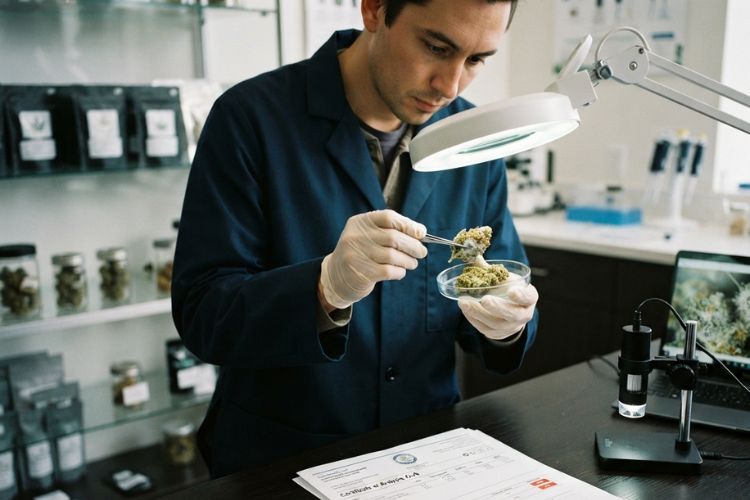
Mold prevention starts before the flower even gets to you. Reputable sellers test every batch for microbial contaminants, including mold, yeast, and bacteria, and publish the results. A current THCA certificate of analysis should include a microbial panel showing a pass, tied to the exact batch you’re buying.
If a seller can’t show you that, or only shares a potency report with no safety screening, think twice. A big THCA percentage means nothing if the flower isn’t clean.
Final Thoughts: Moldy Weed Isn’t Worth the Gamble
Moldy cannabis is among the issues where any benefit fails to outweigh any risks. Be on the lookout for warnings, follow your nose, and do not attempt to fix a bad batch. Finding mold on the cannabis early on, storing it properly, and only buying cannabis from reputable vendors conducting thorough laboratory tests will ensure your weed is safe and your experience enjoyable.
Kingstone Pharms ships lab-tested, Farm Bill-compliant flower with clean microbial results, so what’s in your jar is exactly what it should be.
This article is general information, not medical advice. If you’re concerned about your health after exposure to mold, talk to a healthcare professional.
FAQs
Can mold grow inside a bud without being visible?
Yes. Dense buds can hold moisture and mold deep inside while the outside looks normal. Breaking a bud open and checking the center is a good habit if anything smells off.
Does freezing flower kill mold?
Freezing may stop mold from growing, but it doesn’t remove spores or the toxins mold may have already produced. A moldy batch is still unsafe after freezing.
How quickly can flower get moldy?
It depends on conditions, but in a humid, warm, sealed environment, visible mold can appear in just days. Properly cured flower stored well can stay clean for months.
Is white powder on flower always mold?
No. It could be trichomes, or in some cases a harmless mineral residue. Check for sparkle, smell, and texture. Fuzzy, dull, musty-smelling patches are the red flags.