Crack open a jar, and the smell hits before anything else does. That sharp citrus, that earthy pine, that skunky funk that somehow smells better than it sounds. None of that is random. Terpenes in THCA flower are doing all of that work, and they’re doing a lot more than just making your grinder smell nice.
Terpenes are the aromatic compounds responsible for scent and flavor across the entire plant world, not just cannabis. Lavender smells like lavender because of terpenes. Pine trees smell like pine for the same reason. Hemp just happens to produce an especially wide, complex range of them.
What Are Terpenes, Exactly?
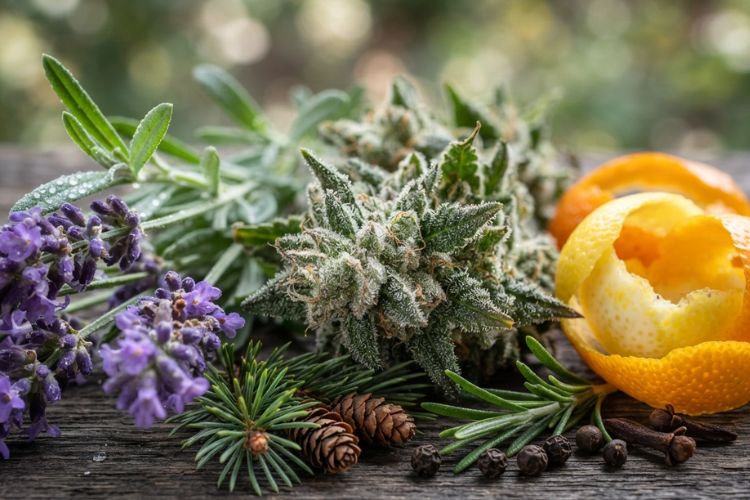
Chemically speaking, terpenes are organic compounds produced in the same trichomes that hold cannabinoids like THCA. They evaporate easily, which is exactly why you can smell a jar of flower from across the room without even opening it. Over 100 different terpenes have been identified in cannabis, though most strains lean heavily on a handful of dominant ones that define their overall character.
Myrcene brings that heavy, earthy funk. Limonene brings bright citrus. Pinene, unsurprisingly, brings pine. Caryophyllene adds a peppery, almost spicy edge. Every strain is really just a unique blend of these building blocks layered on top of each other.
Terpenes in THCA Flower: Why Aroma Isn’t Just for Show
It would be easy to consider the unique characteristics of smelling the THCA flower as just a fun extra, but the reality is that terpenes in THCA flower affect all aspects of the experience. You can see out of the door; you can taste terpenes as you exhale; and it appears likely they are working together with cannabinoids to modify their effects as well.
This is why two strains with similar analytical results can have distinctly different experiences. The presence of terpenes alone can therefore offer unique advantages over THCA levels.
Common Hemp Flower Terpene Profiles and What They Smell Like
Understanding hemp flower terpene profiles makes shopping a lot less like guesswork. A few of the most common ones you’ll run into:
- Myrcene. Earthy, musky, a little herbal. Common in strains associated with a heavier, more relaxed feel.
- Limonene. Bright, citrusy, almost zesty. Frequently found in strains with a more uplifting, energetic reputation.
- Pinene. Sharp and forest-like. Often paired with a clearer, more alert kind of high.
- Caryophyllene. Peppery and spicy, occasionally with a woody edge underneath.
- Linalool. Floral, a bit like lavender, often tied to calmer, more mellow strains.
Most flower isn’t dominated by just one of these. It’s usually a layered mix, which is exactly why hemp flower terpene profiles vary so much even within strains that share a similar name or lineage.
Do Terpenes Affect How THCA Flower Makes You Feel?
There’s a growing theory in cannabis research called the entourage effect, the idea that terpenes and cannabinoids work together rather than independently. While the science is still developing, plenty of experienced smokers report that a myrcene-heavy strain feels noticeably different from a limonene-heavy one, even at similar THCA percentages. Terpenes likely aren’t causing effects on their own, but they may be shaping how the overall experience unfolds.
How to Read a THCA Strain Aroma Guide Like an Expert
Once you know what to look for, a THCA strain aroma guide stops being confusing and starts being genuinely useful. Look past vague descriptors like “fruity” or “earthy” and check for the actual dominant terpene listed, since that tells you far more than a marketing adjective ever will.
A strain listing myrcene as dominant is signaling something different than one led by limonene, even if both get labeled “fruity” on the packaging. Learning to read a THCA strain aroma guide this way means you can predict roughly how a strain will smell and feel before you ever open the jar. Every batch of THCA flower should list its dominant terpenes somewhere on the product page or COA, so use that information instead of guessing from a photo.
Finding the Best Smelling THCA Strains for Your Preferences
There are often different meanings when it comes to describing the best scents. However, despite this variability, there are significant patterns to observe. For example, many citrus- and tropical-smelling strains with a high concentration of limonene most often get the highest category on the lists. On the other hand, people preferring a more gas-like aroma, while being fewer in number, remain very loyal to their choice. At the same time, floral strains appeal to a different audience.
Finding the best-smelling THCA strains for your own preferences really comes down to identifying which terpene family you keep gravitating toward, then hunting for strains built around that same profile. Ready to actually shop THCA online with terpene profiles in mind instead of guessing blind? Start by checking the dominant terpene listed on each product page before you commit to a jar.
Final Thoughts: Terpenes in THCA Flower
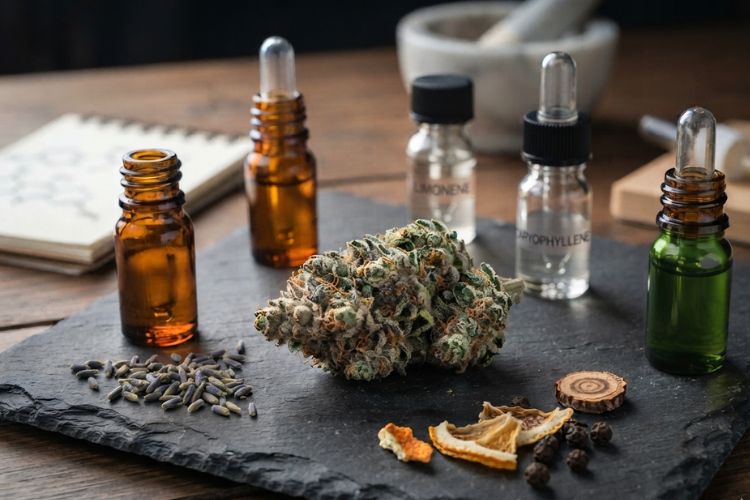
The aroma, however, has an important role in the world of THCA flowers. The terpenes found in THCA flower provide the flavor and differentiate one strain from another. It is worth noting that terpenes likely play an essential role in the whole experience for the users, as many believe. Once you learn how to concentrate on the terpenes of the hemp flower, you will find shopping much easier than it was before.
Kingstone Pharms lists terpene data alongside cannabinoid content for every strain we carry, because terpenes in THCA flower deserve just as much attention as the number printed in bold on the label.
FAQs
Do terpenes fade over time in stored flower?
Yes. Terpenes are volatile and evaporate gradually, especially if flower is exposed to light or air. Properly sealed, cool, dark storage helps preserve aroma and flavor much longer.
Are terpenes unique to cannabis?
No. They’re found throughout the plant kingdom, in everything from citrus fruit to pine trees to lavender. Cannabis just produces an unusually wide and complex range of them.
Can terpene content affect potency test results?
Not directly. Terpenes and cannabinoids are measured separately on a COA, so a strain’s terpene profile doesn’t change its THCA or total THC numbers.
Is it possible for two strains to smell alike but have different effects?
Yes. Similar dominant terpenes can create comparable aromas, but cannabinoid ratios and minor terpene differences still shape how each strain ultimately feels.