
A Certificate of Analysis is often the only document that shows what a laboratory found after testing a product. While the label highlights a few key details, the COA provides a much closer look at cannabinoid levels, testing dates, and safety results. Even so, many buyers open the report and aren’t sure what they’re looking at.
A THCA flower COA doesn’t have to be difficult to understand. Once you know where to look, the numbers and laboratory terms become much easier to follow, making it simpler to review the information with confidence.
What Information Is Included in a THCA Flower COA?
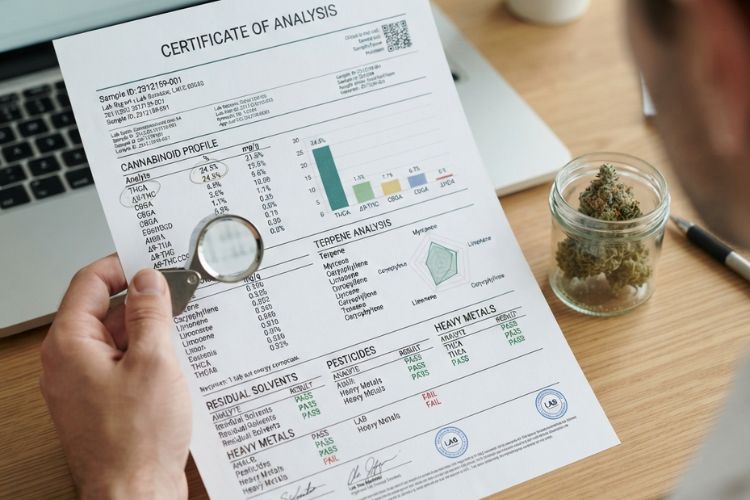
Every laboratory has its own report format, but most COAs include the same core information. They identify the tested product, the laboratory that performed the analysis, cannabinoid results, and any additional safety testing. These reports help verify third-party lab-tested THCA flower through independent analysis.
A THCA flower COA provides laboratory findings instead of relying only on product packaging. It allows readers to compare cannabinoid content and safety screening with the label and confirm that the testing was completed independently.
Although report layouts vary, each section serves a specific purpose and is easier to understand when reviewed in order.
How to Read the Product Information on a COA
Before looking at cannabinoid percentages, confirm that the report actually belongs to the product you’re reviewing. This first section is often overlooked, yet it helps verify that the laboratory tested the correct sample.
Product Name
The product name on the report should match the packaging or product listing. Even small differences are worth checking because similar products may have separate laboratory reports.
Batch or Lot Number
Every production batch should have its own identification number. Matching the batch number on the report with the product helps confirm that the laboratory tested the same batch you’re reviewing.
Sample and Testing Date
Testing dates provide useful context. A recent report generally reflects a more current production batch, while an older report may no longer represent the product being sold.
Testing Laboratory Details
A complete COA identifies the laboratory that performed the testing. Many reports also include accreditation details, contact information, or a report number that can be used for verification.
How to Read the Cannabinoid Results?
The cannabinoid section is usually the part readers focus on first. It lists the measured cannabinoids found during laboratory testing and often includes percentages or concentrations.
THCA Percentage
This value shows how much THCA was detected in the sample at the time it was tested. It reflects the cannabinoid content before any heating takes place.
Delta-9 THC
Most reports list Delta-9 THC separately because regulations often distinguish it from THCA. Reading both values together provides a more complete picture of the sample.
Total THC
Some laboratories also calculate Total THC. This value estimates the amount of THC that could be present after THCA is converted through heating. Understanding how Total THC is presented helps readers interpret the report more accurately.
Other Cannabinoids Listed on the Report
Depending on the product, the report may also include cannabinoids such as CBD, CBG, or CBN. Their presence varies between samples, so not every report looks the same.
Many laboratories summarize these findings in a cannabinoid potency report, making it easier to review the overall cannabinoid profile without examining every individual measurement.
How to Check the Safety Testing on a COA?
The cannabinoid profile is only part of the report. A complete THCA flower COA should also include safety testing, giving you a clearer picture of the product beyond its potency.
Look for results covering pesticides, heavy metals, microbial contamination, and, where applicable, residual solvents. These tests show whether the sample was screened for substances that shouldn’t be present or should remain within acceptable limits.
You’ll usually see these results marked as Pass, Fail, or listed with measured values alongside the laboratory’s acceptable limits. If one of these sections is missing, it’s worth taking a closer look before relying on the report.
How to Verify That a THCA Flower COA Is Genuine?
A professional-looking report doesn’t always tell the whole story. Taking a minute to verify a few details can help confirm that the document matches the lab-tested THCA flower you’re reviewing.
Start by checking the product name, batch or lot number, and testing date. These details should match the product label. The report should also identify the testing laboratory and, in many cases, include a report number or QR code that can be used for verification.
Finally, compare the cannabinoid potency report with the information on the product label. Small differences can occur between batches, but major inconsistencies or missing details deserve a second look before you rely on the report.
THCA Flower COA Checklist Before You Buy
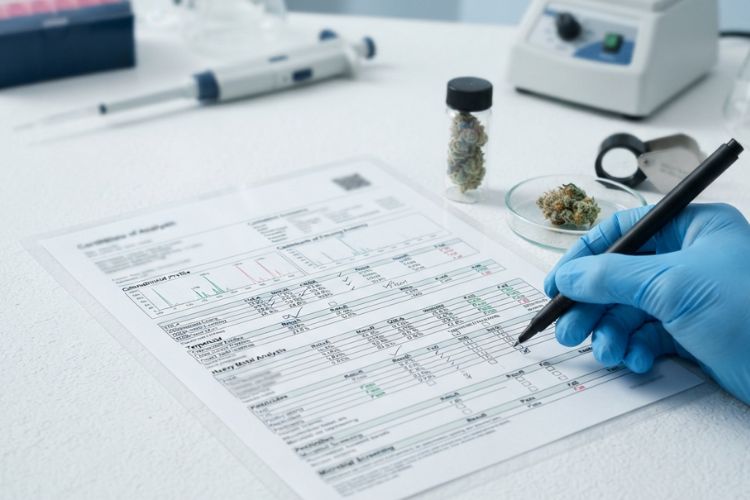
You don’t need scientific training to review a laboratory report. A simple checklist makes the process much easier.
Before relying on a THCA flower COA, confirm that:
- The product name matches.
- The batch or lot number matches.
- The testing date is current.
- The cannabinoid results are clearly listed.
- Safety testing is included.
- The testing laboratory is identified.
- The report appears complete.
These quick checks take only a few minutes and can help you understand the report with greater confidence.
Conclusion
A COA may seem technical at first, but it becomes much easier to understand once you know what each section represents. Reviewing the product details, cannabinoid results, and safety testing gives you a clearer picture of what the laboratory analyzed. Spending a few extra minutes with a THCA flower COA can help you better understand the information provided and interpret laboratory reports with greater confidence.
FAQs
What is a THCA flower COA?
A THCA flower COA is a Certificate of Analysis prepared by an independent laboratory. It documents the cannabinoid profile and other laboratory test results for a specific product batch.
Why should I learn how to read a certificate of analysis?
Knowing how to read a certificate of analysis helps you understand what the laboratory tested, instead of relying only on the product label.
What is a cannabinoid potency report?
A cannabinoid potency report summarizes the measured cannabinoid levels found during testing, making the laboratory results easier to interpret.
Why is the batch number important?
The batch number connects the laboratory report to a specific production run and helps verify that the report matches the product.
Can a COA be fake?
A report should always be reviewed carefully. Matching batch numbers, recent testing dates, and identifiable laboratory information can help you evaluate whether a report appears legitimate.